
Strength Training for NYC Women Over 40
A smarter, more sustainable approach to building strength, energy, and confidence in midlife without burnout or overtraining.
If you’re here, there’s a good chance something isn’t working the way it used to.
You’re doing your best. You’re active. You’re trying to take care of yourself.
But your energy is inconsistent. Your body feels different. And the workouts that used to “work” now feel like they either do nothing… or leave you more exhausted.
You’re not broken. Your body has just changed.
And your approach needs to change with it.
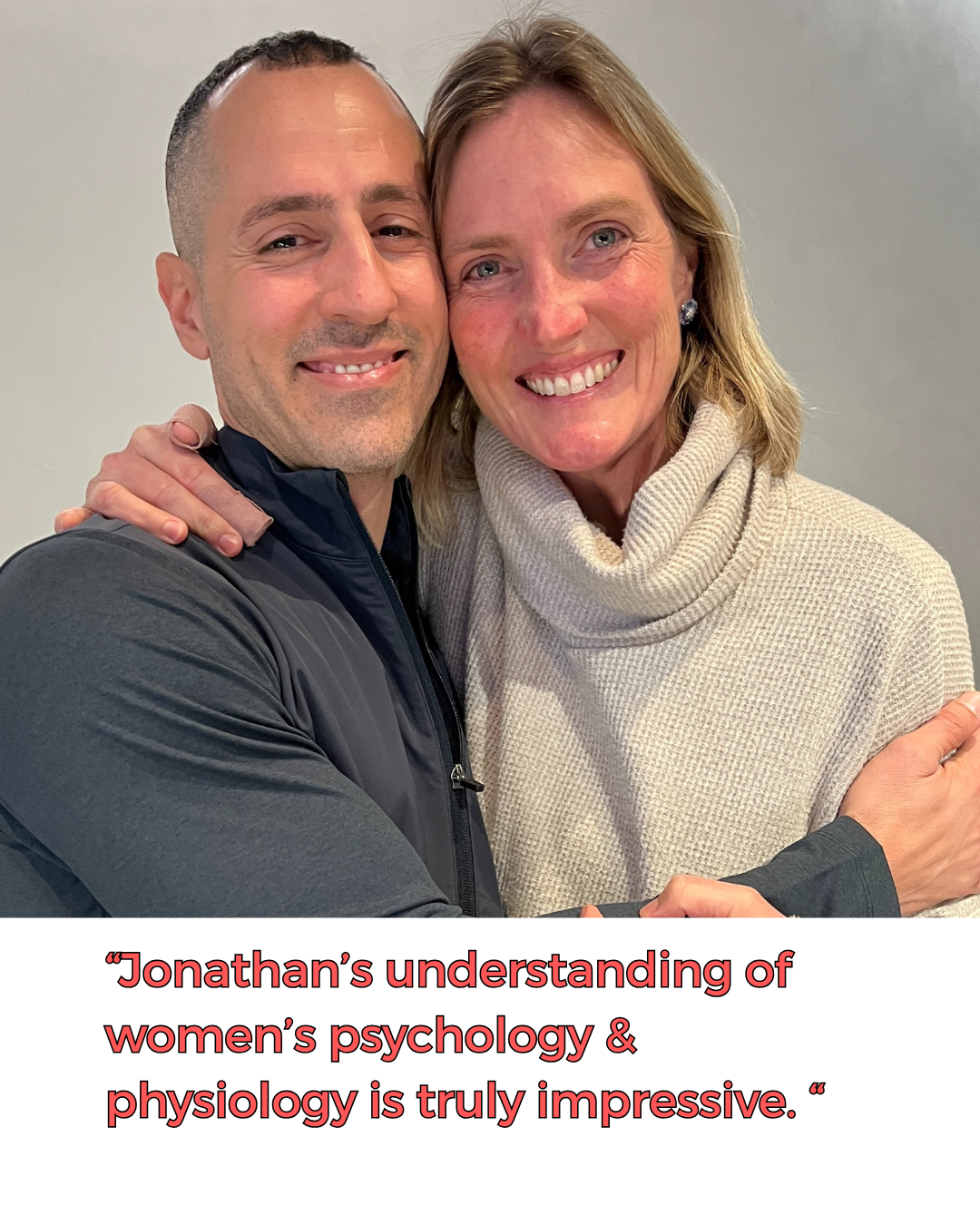
High-performing, always pushing, supper succesfull, but Cassandra’s body wasn’t responding the way it used to. This was the moment things started to click.

Burned out, disconnected, and not sleeping well despite doing “all the right things.” This work helped Alexandra find her way back to her body.
A Different Approach to Strength Training
Most fitness programs are built around intensity, discipline, and pushing through.
That might work for a while.
But in your 40s and beyond, your body becomes more sensitive to stress. If your training does not adapt, it stops working.
This approach is different.
We focus on:
• building strength in a way your body can actually recover from
• supporting your nervous system, not overwhelming it
• developing awareness so you can feel what your body needs
• progressing gradually so results are sustainable
You still get stronger.
But you also feel more grounded, more energized, and more in control of your body again.

Learning how to meet your body where it’s at (which is a moving target!) is essential to making progress and pushing intelligently while avoiding over training and burnout. Every single one of my students learns how to internalize and feel this map so they can let their body and pleasure lead the process.
What Strength Training Should Feel Like
It should feel focused.
It should feel intentional.
It should challenge you, but not leave you depleted.
For most women, this looks like:
• 30-minute sessions, two to three times per week
• full-body movements that build real-world strength
• gradual progression instead of constant intensity
• enough recovery to actually benefit from the work
It is not about doing more.
It is about doing the right things, consistently. And that’s exactly what we do with my private coaching in NYC.
Why This Matters More in Midlife
As your hormones and nervous system shift, your body responds differently to stress.
If you keep doing more of the same, you often get:
• fatigue instead of energy
• plateaus instead of progress
• tension instead of strength
When your training aligns with your body, those patterns start to reverse.
You build strength. Your energy stabilizes. And your body starts to feel like it’s working with you again.
These are not traditional fitness transformations.
They are women learning how to work with their bodies again, and it ends up touching every area of their very busy Manhattan lives.
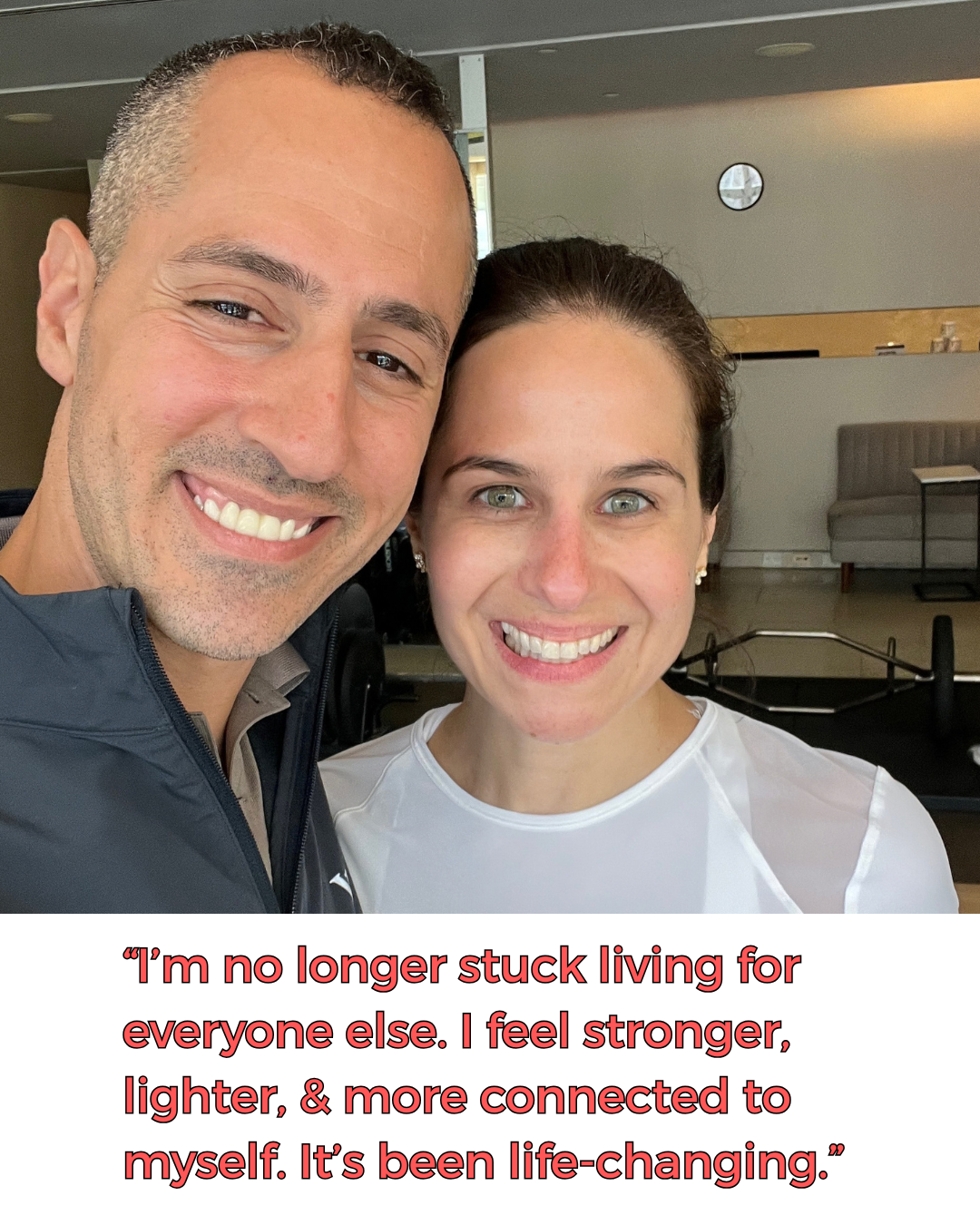
Spent years showing up for everyone else before finally turning inward.
Strength became the gateway for Lauren to reconnect with herself.
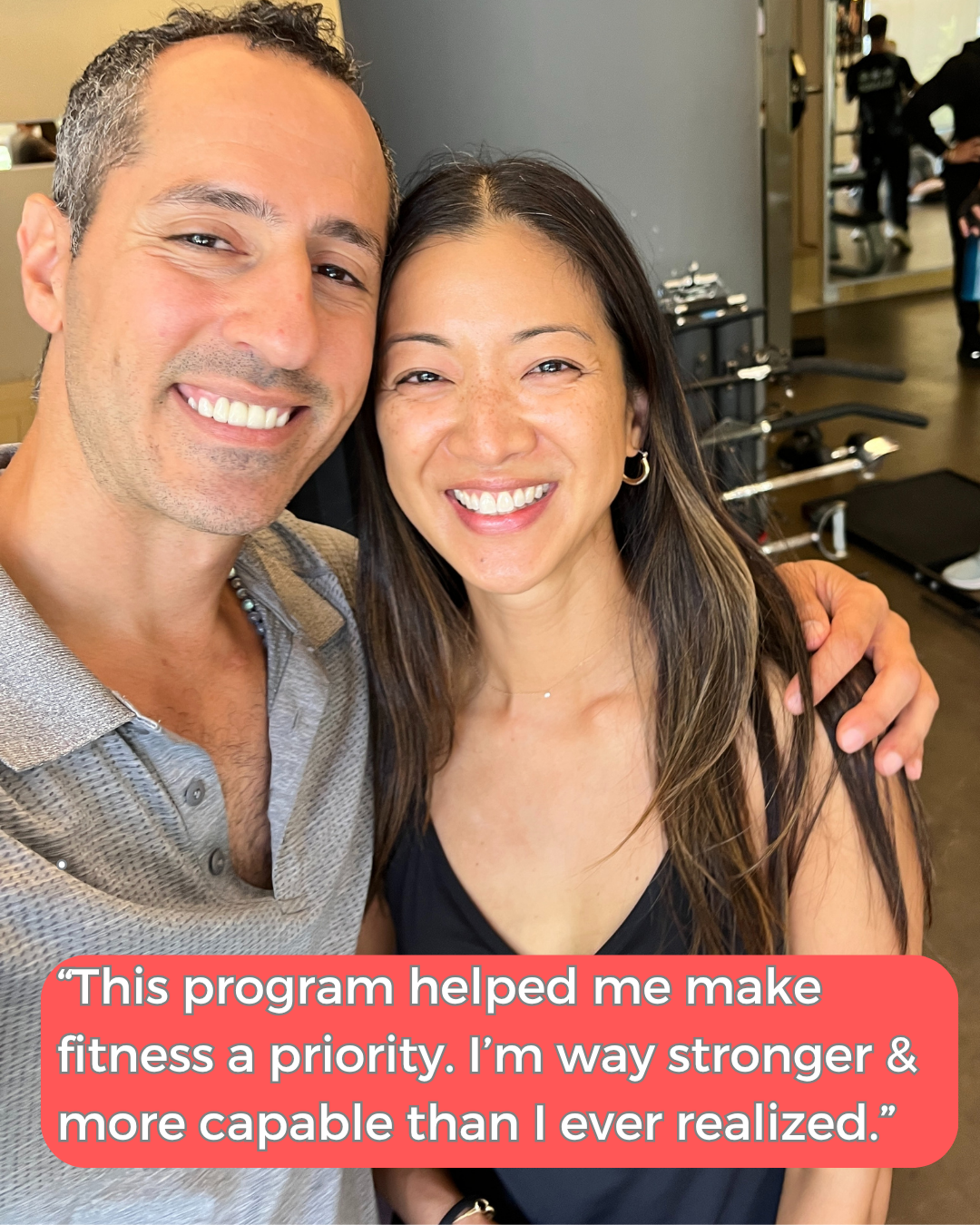
Busy life, good intentions, but struggling to stay consistent.
Once things became simple and structured, everything changed.
Common Questions About Strength Training for Women Over 40
What is the best type of strength training for women over 40?
The best strength training for women over 40 is a program you can do safely and consistently, built around progressive strength and proper recovery.
For most women, strength training is a skill that needs to be developed over time. The most effective approach uses small, steady progressions that match your body’s current capacity, rather than pushing too hard or repeating the same workouts.
Most people either push too hard too fast or repeat the same workouts and plateau. The goal is to find the middle ground where your body adapts without burning out.
Why do my workouts stop working in my 40s even though I’m trying harder?
Workouts often stop working in your 40s because your body becomes more sensitive to stress, and approaches built on intensity and pushing no longer produce the same results.
Many women were taught to override their bodies in their teens and 20s and could get away with it. In midlife, that same approach leads to fatigue, plateaus, and sometimes injury.
The solution is not more effort. It is becoming more intelligent and responsive, learning how to listen to your body, adjust your training, and build strength in a way your system can actually recover from.
Can strength training help with menopause symptoms?
Yes, when it is done in the right way.
Strength training is one of the most effective tools for improving energy, supporting metabolism, and maintaining muscle as hormones shift.
If it is built on stress and intensity, it can make symptoms worse. If it is built on safety, recovery, and intelligent progression, it can significantly improve fatigue, weight regulation, and overall vitality.
How do I improve energy without overtraining?
Start by doing less, but doing it better.
Focus on quality, not quantity. Learn to pay attention to your body and adjust based on how you feel.
Strength training should support your energy, not drain it. Pair it with proper recovery, good sleep, and simple relaxation practices so your body can actually adapt.
What is nervous system regulation in fitness?
It means training in a way that your body experiences as safe and sustainable.
When your nervous system feels safe, your body can recover, adapt, and get stronger. When it feels overwhelmed, progress slows or stops.
Most women are used to being told to push harder. What is often missing is the ability to slow down, feel their body, and actually support recovery.
In practice, this includes how you train, but also what you do outside of training. Breathwork, relaxation practices, energy medicine, and even simple forms of healing touch can help your body shift out of stress mode and into a state where it can rebuild and get stronger. For women living in New York City, the world capital of over-stimulation, these practices are even more important.
This is not separate from strength training. It is what allows it to actually work.
Why do I feel worse after working out sometimes?
If you feel worse after workouts instead of better, your body is likely telling you that the stress of your training is too high for where you are right now.
Many women push through fatigue, tension, or poor recovery because they believe that is what it takes to see results.
But in midlife, your body becomes more sensitive to stress. If your workouts are adding more stress than your system can recover from, you can feel more tired, more inflamed, or more disconnected from your body.
When training is aligned with your body, it should leave you feeling more energized, not depleted.
How do I actually relax my body and calm my nervous system?
Most women are not taught how to relax. They are taught how to push, perform, and keep going.
Relaxation is a skill, just like strength training.
It starts with simple things like slowing your breathing, feeling your body, and creating small moments where you are not trying to do or fix anything.
Breathwork, gentle movement, and simple forms of touch can help your body feel safe enough to let go of tension.
When your body knows how to relax, it can recover, adapt, and actually build strength.
How do I build strength without burning out my nervous system?
By training in a way your body can actually recover from.
Most women do not need more intensity. They need better recovery, smarter progression, and a nervous system that feels safe enough to adapt. The goal is not to leave every workout exhausted.
It is to gradually build strength, energy, and resilience through consistent training, proper recovery, breathwork, and learning how to work with your body instead of constantly overriding it.
A big part of this approach is helping the body feel grounded and safe first.
That can include sensory-based movement practices inspired by early developmental movement patterns like rocking, rolling, crawling, breathwork, energy medicine practices, and simple forms of healing touch done individually or with consent during sessions.
These practices help calm the nervous system, improve body awareness, and create the foundation for stronger movement and better recovery.
Most programs skip this step entirely. But it is the foundation for everything else.
When the body feels safe, relaxed, and connected, progress becomes much more sustainable and in most cases, enjoyable.
Can I just do Pilates instead of strength training?
Pilates is excellent. It can improve core strength, mobility, and body awareness.
But it typically does not load the body in the same way strength training does.
Strength training allows you to build deeper levels of strength and resilience through progressive challenge.
Pilates can be a great complement, but if your goal is to feel stronger and more capable, strength training needs to be part of the picture.
Can I just do group fitness classes?
You can, and many women do for years. And it can be fun to try different boutique fitness class in Manhattan. Union Square might be the boutique fitness center of the universe!
The challenge is that group classes are not designed to track your individual progress.
Getting stronger requires progression. Increasing load, refining technique, and adjusting based on how your body responds.
Most classes are designed to make you sweat and feel energized, but getting tired is not the same as getting stronger.
If you want real, measurable progress, your training needs to be personalized and progressive.
How do I stay consistent when I’m already overwhelmed?
Most women do not struggle with knowing what to do. They struggle with doing it consistently in the middle of a full life.
The solution is not more discipline. It is simplifying your approach so it actually fits your reality.
Shorter, more focused workouts. Clear structure. And a plan that adapts when your energy or schedule changes.
Consistency comes from reducing friction, not increasing pressure.
If you are reading this and thinking, this is exactly what I have been missing, you are not alone.
And you do not have to figure it out by yourself.
Book a 15-minute clarity call. There’s no obligation beyond having an honest conversation, and I can guarantee you’ll walk away with more clarity!
Jonathan Angelilli is a NYC-based holistic performance coach specializing in strength training and nervous system regulation for women over 40.